
Embracing Seasons
Why fighting nature is making you unwell
We're about to experience something most people overlook.
The end of what Dr. Matthew Walker calls "the biggest global experiment performed on 1.6 billion people across 70 countries twice a year"...
Daylight savings time.
The clocks "fall back", and life goes on….
Except it doesn't - not for your body.
Every year in Spring when clocks move forward, the data shows a measurable spike in things like car accidents and heart attacks in the days that follow.
Lose an hour and everyone’s nervous system notices - our body's take a hit from a single night of altered sleep.
So as we enter Autumn and gain that hour back, we have an opportunity to align more closely with the natural seasonal rhythms.
The question is... will you use it?
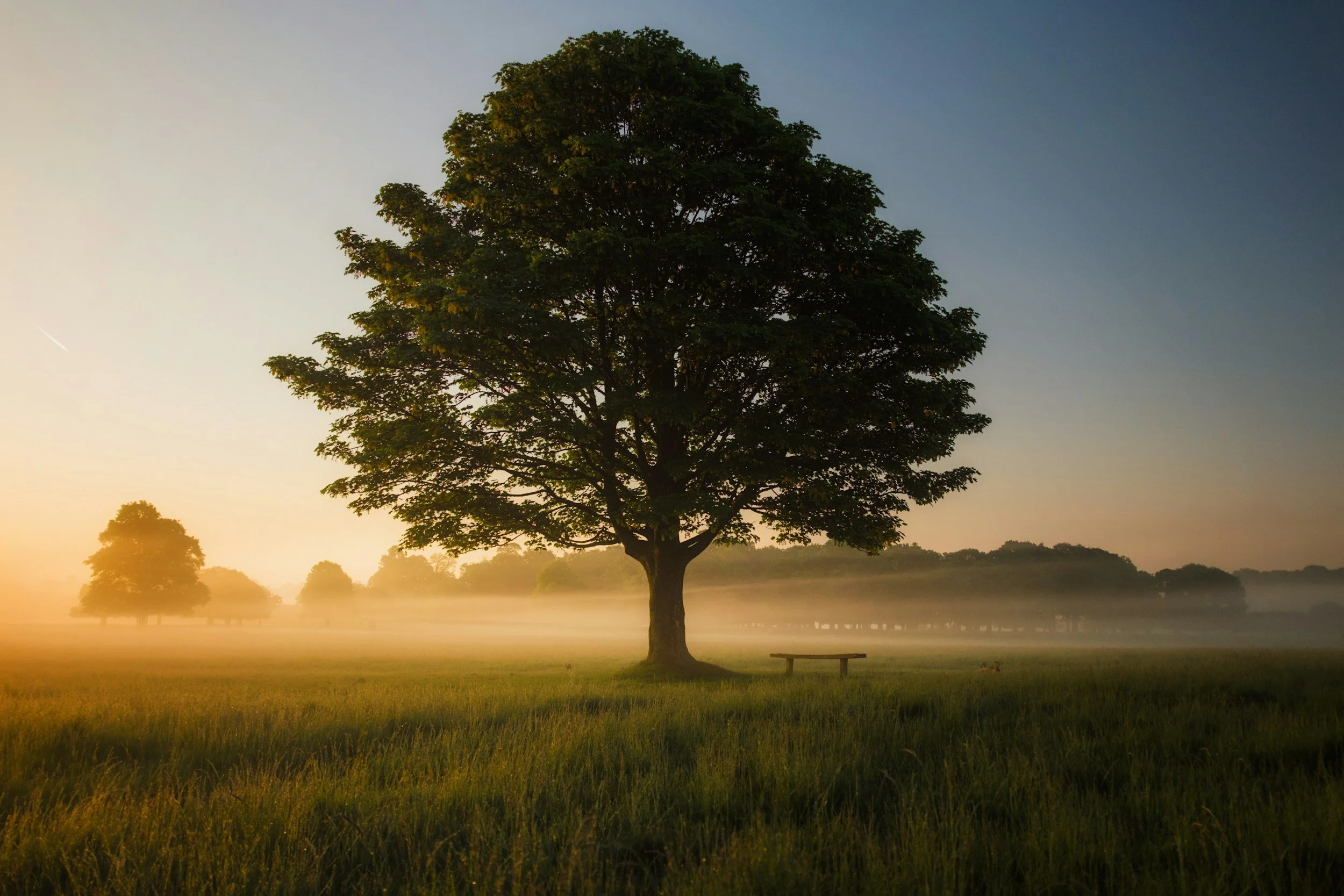
Making the case for Inconsistency
We've been told that health is all about consistency - regular training, consistent wake times, the same 8 hours a night. But here's a truth worth remembering:
We are an animal species
And like every other animal on this planet, our biology has different requirements depending on the season.
In the summer, biology is straightforward - more daylight, earlier cortisol spike, naturally higher energy. Your body wants to move.
Winter gets interesting: Less daylight, later cortisol peak, nervous systems naturally inclined toward conservation. Getting up before sunrise to exercise in the depths of winter doesn't feel unnatural because you're lazy - it feels unnatural because your body isn’t designed to function with intensity this early.
The hibernating bear doesn’t strive to hunt and maintain productivity during the winter - it honours what it’s biology asks for.
Eating seasonally…. and my annual disappointment
Ever notice the taste of blueberries in season?
We have an annual tradition of visiting our local Organic berry farm to pick blueberries in bulk with the kids. Every year we wait for their post to let us know when berry-picking opens - around the 3rd or 4th week of December for blueberries.
The taste is unparalleled, so we usually consume our entire bulk pick within the week. We always get a few extra kilos to freeze.
Generally by the time our frozen stores run out, blueberry season has ended, and we reluctantly resort to buying conventional blueberries from the supermarket.
And at that same time, every year, when that first conventional blueberry hits my tongue...
Total disappointment.
My body can taste the misalignment. The berry that wasn't picked fresh, locally, or in season.
When you eat seasonally, you're aligning yourself with nature.
Your body evolved over thousands of years to crave and consume certain nutrients at certain times of year.
Ever craved a fruit smoothie in the middle of winter? Or your mum's heartiest soup in the middle of summer? Probably not.
The Cost of Fighting Mother Nature
Striving to maintain a linear pace year-round is bound to result in imbalances.
I see it in clients every year - the worker who burns out trying to maintain summer intensity, their immune system eventually forcing the rest their schedule wouldn't allow. The footballer pushing hard through winter, collecting soft tissue injuries having started pre-season too early. The seasonal depression that surfaces from less sun exposure.
Modern life has convinced us that consistency is key. But consistency with what?
With an artificial schedule that ignores the sun? A food system that erases the seasons entirely? A culture that fails to recognize the importance of rest?
We've even built systems (like daylight savings, and early school start times) that work against our biology in the name of convenience.
And we pay for it. With car accidents, heart attacks, and a raft of other consequences too long to list here.
So maybe the goal isn’t about daily consistency. But zoom out far enough - to the scale of a whole year - and a different kind of consistency becomes possible.
Syncing with the seasons
What would it actually look like to stop fighting against our biology?
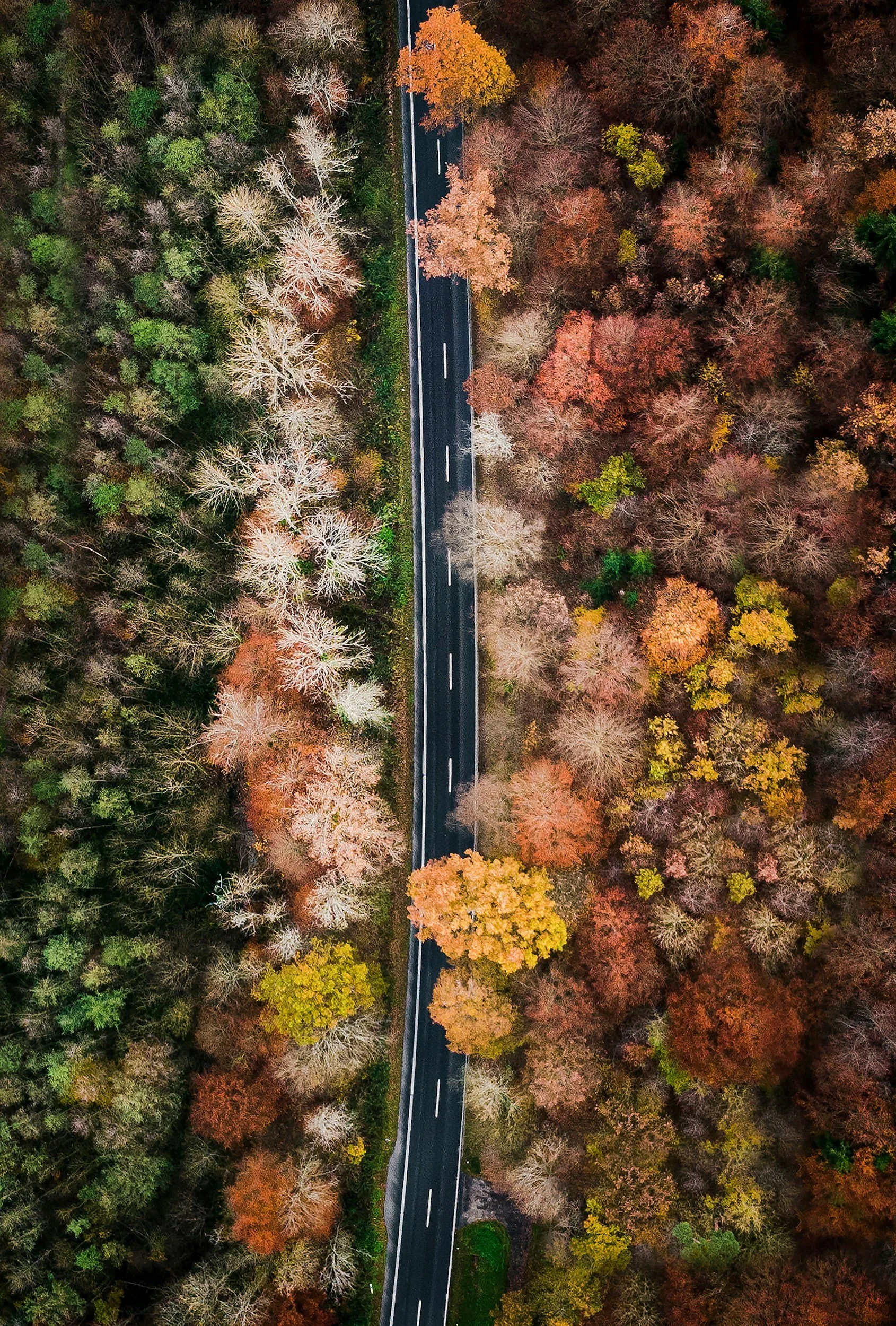
In autumn, as the daylight shortens and we gain that hour back, we use it. Grounding foods. Exercise during daylight hours, outside if possible. Tapering the intensity of work and projects. Preparing your body for the slower months.
Winter is the season of less input and more recovery. Embrace the longer sleep. Trade the long training sessions for shorter ones - emphasizing shorter sessions, mobility work and slow walks. Take on fewer social commitments. Create a space in your house for ritualized quiet - reading, stillness, meditation - whatever that looks like for you. Not laziness - just the bear doing exactly what the bear is supposed to do.
Spring is emergence. Lighter foods, increasing movement, a natural warming up from hibernation. Spring clean your house and your body.
Summer invites the season of output. Longer days, higher energy, natural motivation to move and connect. Build in intensity. Start new projects. Socialise more. Make use of every hour of light you've been given.
Inviting alignment…
Modern life has given us the ability to engineer the seasons almost entirely out of our lives.
Air conditioning in summer, heating in winter, tropical fruits in July, artificial light around the clock.
I'm not suggesting we abandon modern comforts altogether.
But there's a cost to fighting nature that we rarely factor in. And I’d argue, our bodies have been trying to tell us this the whole time.
The question isn't whether you can maintain the same intensity year-round. It's why you'd want to, and what is it quietly costing you?
As we gain that extra hour back this weekend, use it wisely 😄
Until next time,
Mick

What about you? As we enter autumn, what will you do with your extra hour? I'd love to hear what seasonal practices you've discovered that actually work for your body and whether you've noticed the difference that this single hour of sleep can make
